



05 Feb How Flexible Walls Enable Cost-Effective Space Reconfiguration
As organizations rethink how their spaces support evolving teams, technologies, and workflows, one challenge consistently surfaces: how to adapt without overspending. Traditional construction methods, permanent walls, hardwired infrastructure, and disruptive renovations often make change expensive, time-consuming, and inflexible.Flexible wall systems offer a smarter alternative. By replacing fixed construction with modular architectural walls, organizations can reconfigure space quickly, affordably, and with far less disruption. More than a design trend, flexible walls have become a strategic tool for managing space efficiently over time.
The High Cost of Traditional Construction
Conventional interior construction was never designed for change. Permanent drywall partitions lock layouts in place, making even small adjustments costly. Reconfiguring a space often requires demolition, new materials, extended labor, and downtime that disrupts daily operations.Beyond direct construction costs, traditional renovations also introduce hidden expenses:
- Lost productivity during downtime
- Waste from demolished materials
- Rework when layouts no longer meet needs
- Repeated renovation cycles as organizations evolve
For growing or agile organizations, this approach simply doesn’t scale.
What Are Flexible Wall Systems?
Flexible wall systems, also known as modular or demountable walls, are architectural partitions designed to be installed, removed, and reconfigured without demolition. Unlike permanent walls, these systems are built from prefabricated components that fit together cleanly and predictably.Key characteristics include:
- Reusable panels and components
- Clean integration with power, data, and HVAC systems
- Minimal disruption during installation or change
- Compatibility with raised access flooring and modular furniture
Because they’re designed for adaptability, flexible walls support change as an expected condition rather than an exception.
Cost Savings Through Reuse and Reconfiguration
One of the most significant advantages of flexible walls is cost efficiency over time. While initial costs may be comparable to traditional construction, the long-term savings quickly become clear.Flexible wall systems reduce costs by:
- Eliminating demolition during reconfiguration
- Allowing materials to be reused instead of being replaced
- Reducing labor and installation time
- Minimizing business disruption during changes
Instead of paying repeatedly to tear down and rebuild walls, organizations simply reposition or reconfigure existing components, saving both money and time.
Faster Changes, Less Downtime
Time is often as valuable as budget. Traditional construction projects can stretch on for weeks or months, especially when multiple trades must be coordinated. Flexible wall systems dramatically shorten this timeline.Because components are modular and prefabricated:
- Installation is faster and more predictable
- Reconfigurations can often happen off-hours
- Businesses remain operational during changes
This speed is especially valuable for growing teams, hybrid offices, and project-based environments where space needs may shift frequently.
Supporting Evolving Workstyles
Workspaces today must support a wide range of activities—from focused individual work to collaborative sessions and virtual meetings. Fixed layouts struggle to keep pace with these evolving needs.Flexible walls make it possible to:
- Add or remove private offices as teams change
- Resize meeting rooms without construction
- Create temporary project or training spaces
- Balance open collaboration with acoustic privacy
Rather than committing to a single layout, organizations can adjust their environments as workstyles evolve.
Integration with Infrastructure and Furniture
Flexible walls are most powerful when integrated into a broader modular interior strategy. When paired with raised access flooring, flexible power distribution, and modular furniture systems, wall reconfiguration becomes even more efficient.This integrated approach allows:
- Power and data to move with wall layouts
- Furniture to adapt without rewiring
- Spaces to be reconfigured without technical constraints
The result is a fully coordinated environment where every element supports adaptability and cost control.
Sustainability Through Reduced Waste
Cost-effectiveness isn’t just financial, it’s environmental. Traditional construction generates significant waste every time a layout changes. Flexible wall systems support sustainability by reducing material disposal and extending the life cycle of interior components.Environmental benefits include:
- Less landfill waste from demolished materials
- Reduced demand for new raw materials
- Lower embodied carbon over the life of the space
By designing for reuse instead of replacement, organizations align cost savings with sustainability goals.
Ideal Applications for Flexible Walls
Flexible wall systems are especially valuable in environments where change is constant, including:
- Corporate offices adapting to hybrid work
- Growing organizations with evolving teams
- Training centers and multipurpose facilities
- Temporary or transitional workspaces
In each case, the ability to reconfigure quickly and affordably delivers measurable operational advantages.
Designing for Change, Not Permanence
Flexible walls challenge the assumption that interior spaces must be permanent to be effective. By embracing modular wall systems, organizations gain control over both cost and change, turning space reconfiguration from a disruption into a routine capability.As business needs continue to evolve, flexible walls provide a practical, future-ready alternative to traditional construction, one that saves money, reduces waste, and keeps workspaces aligned with how people actually work.
Frequently Asked Questions
Q: Are flexible walls as durable as traditional drywall?
A: Yes. Modern modular wall systems are designed for commercial environments and meet durability, acoustic, and performance standards comparable to permanent construction.
Q: Can flexible walls include doors, glass, and acoustic features?
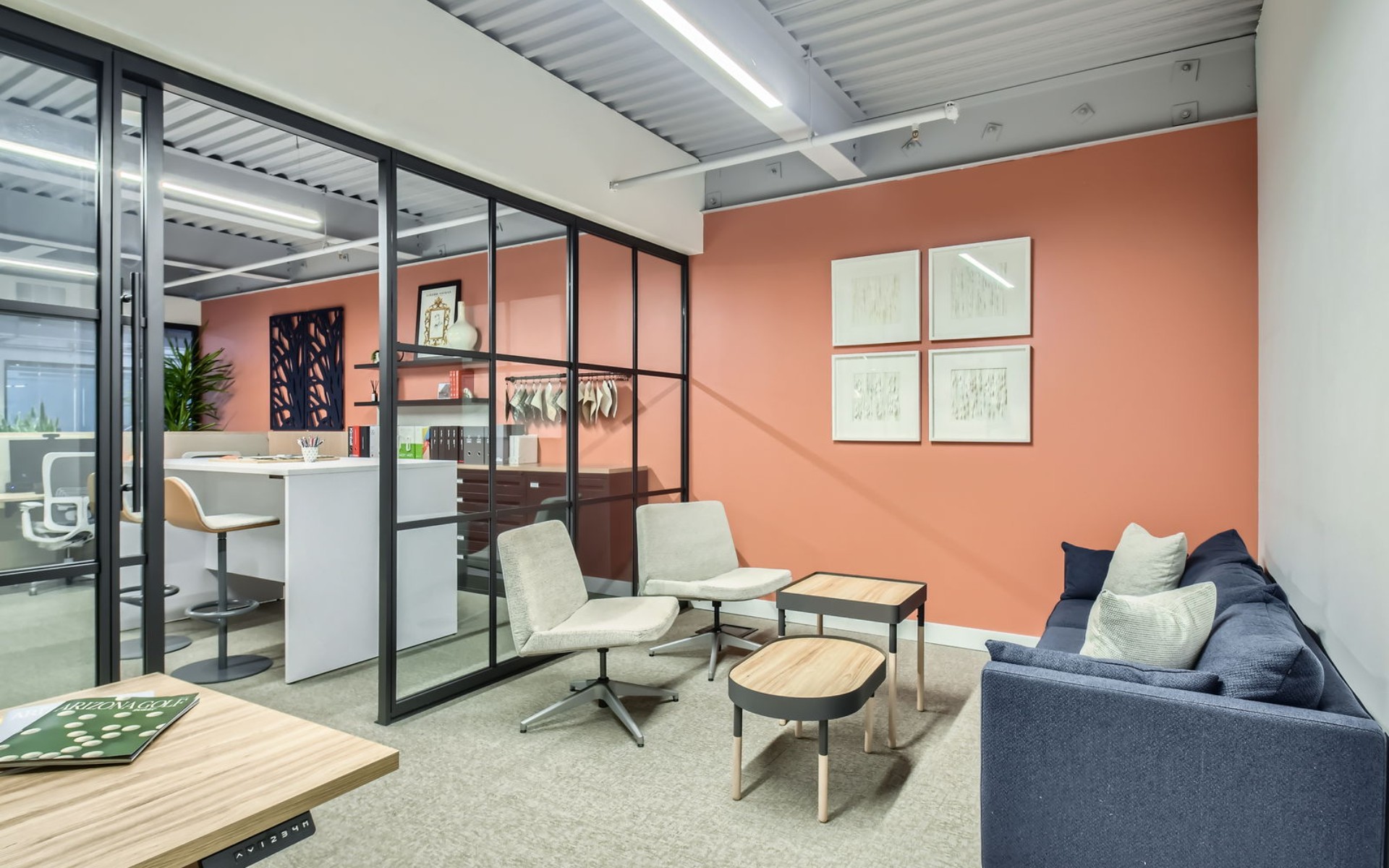
A: Absolutely. Systems can incorporate solid panels, glass, doors, and acoustic elements to support privacy, light, and sound control.
Q: Do flexible walls work with existing buildings?
A: Yes. They can be installed in new construction or retrofitted into existing spaces, especially when paired with raised access flooring.
Q: Are flexible walls more expensive upfront?
A: Initial costs may be similar to traditional construction, but long-term savings from reuse, faster reconfiguration, and reduced downtime typically make them more cost-effective over time.
Q: How often can flexible walls be reconfigured?
A: As often as needed. The systems are designed for repeated reconfiguration without degrading performance or appearance.