



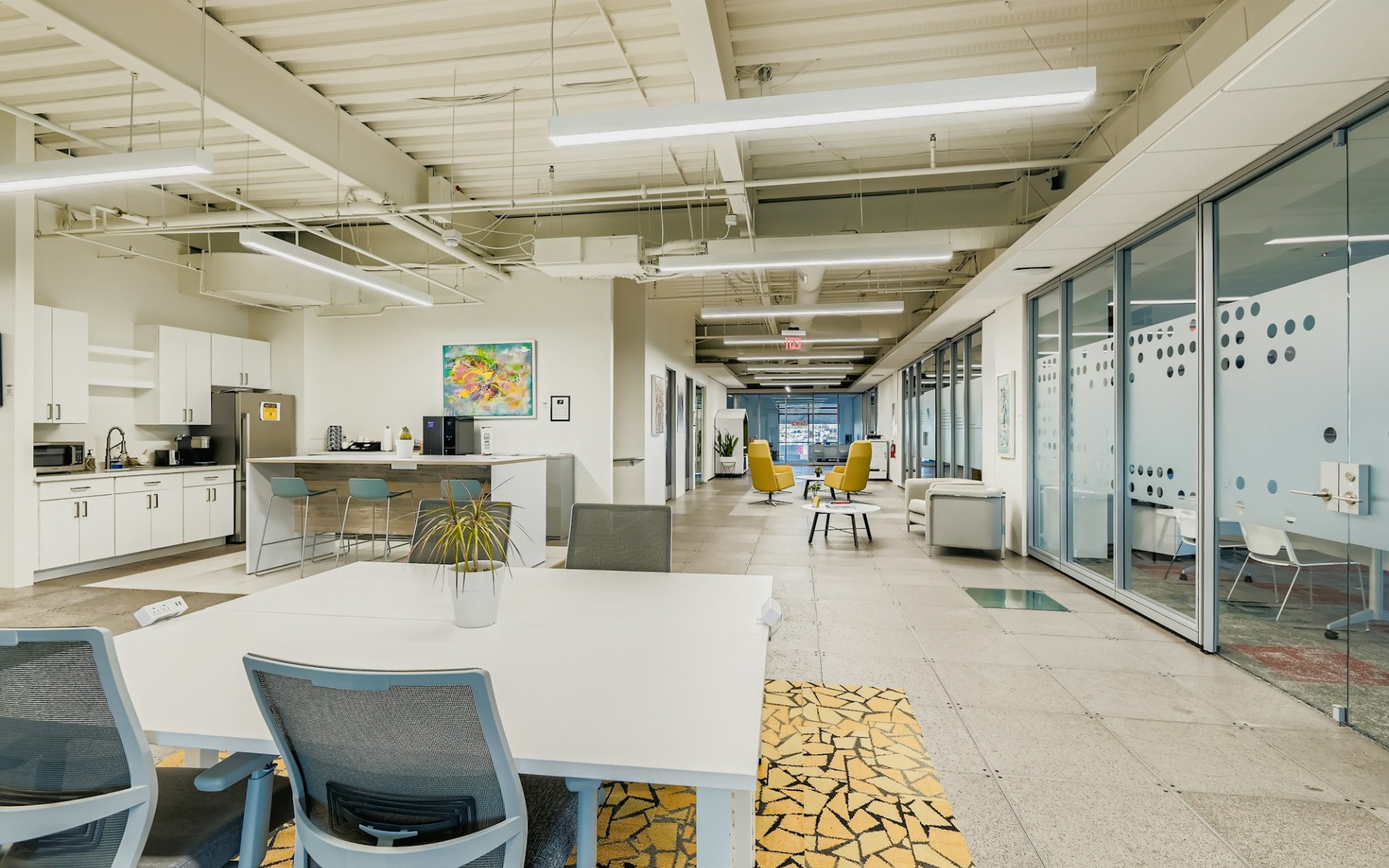
05 Feb Designing Workspaces for Comfort, Productivity & Sustainability
Today’s workplaces are expected to do more than simply house employees. They must actively support well-being, enhance productivity, and reflect an organization’s commitment to sustainability. As businesses rethink how and where work happens, the design of commercial interiors, especially furniture and architectural systems, has become a strategic tool rather than an aesthetic afterthought.Thoughtfully designed workspaces balance comfort and efficiency while minimizing environmental impact. By making intentional choices around furniture, layout, materials, and infrastructure, organizations can create environments that help people perform at their best, today and into the future.
Comfort as the Foundation of Performance
Employee comfort is directly linked to productivity, engagement, and overall job satisfaction. Poorly designed spaces can lead to fatigue, distraction, and even long-term health issues, while well-planned environments support focus, collaboration, and physical well-being.Commercial furniture plays a central role in this equation. Ergonomic seating, height-adjustable desks, and adaptable work surfaces allow employees to move, shift posture, and personalize their workday. When individuals are physically comfortable, they’re better able to concentrate, collaborate, and sustain energy throughout the day.Comfort also extends beyond furniture. Acoustic control, access to natural light, and thoughtful spatial planning all contribute to environments where employees feel supported rather than strained. Modular interiors make it easier to fine-tune these elements over time, responding to real-world usage and feedback.
Designing for Productivity Through Flexibility
Productivity looks different depending on the task at hand. Focused individual work, collaborative brainstorming, virtual meetings, and informal conversations all require different spatial conditions. Designing for productivity means creating choice and adaptability, not a one-size-fits-all solution.Modular furniture systems and flexible layouts allow workspaces to evolve with daily needs. Mobile tables, reconfigurable seating, and modular storage enable teams to quickly shift from heads-down work to group collaboration. Movable architectural elements—such as modular walls—help define spaces without locking organizations into rigid layouts.When employees can choose environments that suit how they work best, productivity naturally improves. The space supports the work rather than forcing people to adapt to it.
Supporting Well-Being Beyond Ergonomics
While ergonomics are essential, employee well-being also depends on how a space makes people feel. Work environments that promote autonomy, comfort, and balance contribute to reduced stress and increased engagement.Interior design choices, such as warm materials, comfortable lounge areas, and thoughtfully placed collaboration zones, signal that employee experience matters. Access to a variety of work settings empowers individuals to manage their energy throughout the day, whether that means focusing quietly or connecting with colleagues.Flexible interiors also support hybrid work models by making in-office time more intentional. When the office is designed for collaboration, creativity, and connection, rather than rows of static desks, it becomes a place employees want to be.
Sustainability as a Long-Term Strategy
Sustainability is no longer a secondary consideration; it’s a core responsibility for modern organizations. Interior design choices have a significant impact on environmental performance, from material selection to renovation frequency.Modular architectural interiors and commercial furniture systems support sustainability in several key ways:
- Reduced waste: Modular components can be reused, reconfigured, or relocated rather than demolished and discarded.
- Extended product life cycles: High-quality, adaptable furniture lasts longer and evolves with changing needs.
- Lower renovation frequency: Flexible systems minimize the need for major tear-outs as organizations grow or shift.
By designing spaces that adapt rather than expire, companies reduce their environmental footprint while also lowering long-term costs.
Energy Efficiency and Smarter Infrastructure
Sustainable workspace design isn’t just about visible materials; it’s also about how a space performs behind the scenes. Integrated infrastructure solutions, such as raised access flooring and efficient power distribution, support both flexibility and energy efficiency.These systems make it easier to:
- Reconfigure layouts without rewiring or construction
- Support energy-efficient HVAC strategies
- Adapt to new technologies without major disruption
When infrastructure is designed to evolve, organizations can implement energy-saving upgrades over time rather than being constrained by outdated systems.
The Role of Commercial Furniture in Sustainable Design
Commercial furniture choices have a direct impact on both sustainability and employee experience. Furniture designed with modularity, durability, and responsible materials supports long-term use while maintaining comfort and functionality.Key considerations include:
- Furniture that can be reconfigured instead of replaced
- Materials selected for durability and environmental responsibility
- Designs that support multiple work modes over time
Rather than purchasing furniture for a single layout or moment in time, organizations benefit from systems that adapt as their teams evolve.
Designing for Change, Not Just Today
The most successful workspaces are those designed with change in mind. Business needs shift, teams grow, technology advances, and work styles evolve. Interiors that prioritize flexibility, comfort, and sustainability are better equipped to handle that change without constant disruption.By aligning architectural systems, furniture, and infrastructure with human needs, organizations create environments that support productivity today while remaining resilient tomorrow. This approach turns workspace design into a long-term investment, one that benefits employees, operations, and the environment alike.
Spaces That Work for People and the Planet
Designing workspaces for comfort, productivity, and sustainability isn’t about chasing trends; it’s about making intentional choices that support people and performance over time. Modular interiors, flexible furniture, and future-ready infrastructure empower organizations to adapt with confidence, reduce waste, and create environments where employees can thrive.When design aligns with well-being and efficiency, the workspace becomes more than a place to work; it becomes a strategic asset that supports long-term success.